OUR ASSUMPTIONS ABOUT WATER ARE OFF, BY A LOT

THE WEST’S NEW WATER PARADIGM

MARCH: OUT LIKE A LAMB. A RANT ABOUT THE COLORADO RIVER’S SUPPLY

COHERENT WATER POLICY ISN’T SEXY

A STATE OF FAILURE: THE COMING UNREST IN IRAN
Originally published November 16, 2025
GRID THREATS: FROM DATACENTERS TO CLIMATE CHANGE AND TERRORISM
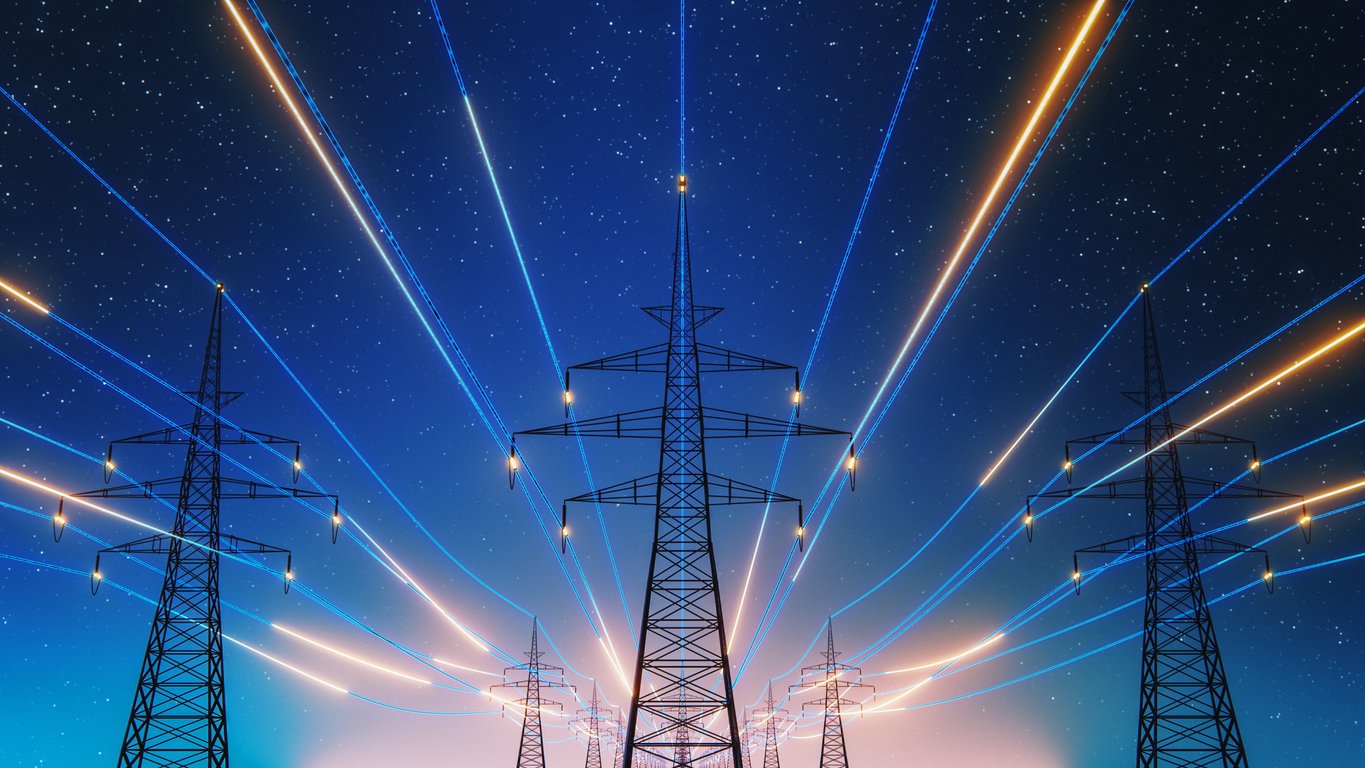
By now, most people are well aware of the surge in demand for electricity brought on by AI, an increasingly digital society, and the push to leave fossil fuels behind in favor of an electrified nation.
Internet traffic is growing by between 18%-20% annually, brought on by AI, video streaming, and expanding global interconnectivity. Jurisdictions are enacting codes that mandate electrical heating and cooking. Electric car sales are rising in part caused by rising gas prices. Climate change has increased both temperatures and seasons of use of air conditioning, while winds and flooding events challenge grid infrastructure as atmospheric energy rises.
All of these factors are straining an aging U.S. grid. A recent report estimated that 70% of all transmission lines are beyond their 50-year useful lifespan. Transformers, voltage correction devices such as capacitors, and controls housed in the over 55,000 dispersed substations are decades old. Estimates are that in the U.S. alone, investment to replace and upgrade the aging infrastructure could top $1 trillion…mostly to be paid for by consumers.
Ever since Thomas Edison opened the infamous Pearl Street Station power plant, that lit Manhattan in 1882, the grid has expanded in a decentralized, some may say, haphazard manner. In the space of 30 years, 43 states had created their own electric regulatory commissions. Interconnection of standalone grids began to shape the landscape by the great depression. A series of major blackouts struck in the 1960s compelling major upgrades for reliability. In 2003 the great Northeast Blackout led to Congress enacting the Energy Independence and Security Act that was to push modernization of the grid. Since then, one can characterize this effort as plodding toward modernization.
Since 2001, the awareness of and mandates to address the threat of terrorism to the grid has been forefront for utilities, but the task is daunting. The system is largely unmanned and unprotected, highly dispersed, and exceedingly vulnerable. Vulnerable to cyber attacks and physical sabotage.
White Supremacist and Neo-Nazi groups have engaged in dozens of “accelerationist” attacks using firearms and manufactured explosives. Their intent? To create chaos and bring about the destruction of society so that a new order will rise, one fashioned on their extremist beliefs. Side bar: That’s one of the plots of a new novel I just completed. Fact is often far scarier than fiction. U.S. utilities reported 2,800 physical security threats in 2023 alone, a 36% increase from the year before.
Nation states such as China, North Korea, Russia, and Iran are believed to be behind nation state cyber attacks on the grid. With America’s new war in the Middle East, one can expect a rise in such attacks.
Electric utility bills have surged, attributable to: 1) Rising demand for electricity and increased infrastructure needs; 2) the strain of the sudden increase in demand by AI and datacenters; 3) tariffs that dramatically increased costs of copper, steel, and other components; and 4) the Iran War that increased natural gas prices (42% of all electrical generation is by natural gas). Some of those factors are self-inflicted wounds, others are the result of our increasing digital society and changing environment. So, how much tolerance is there to increase utility bills to upgrade, harden, and make the grid more modern and resilient? Likely little.
Several solutions are evident:
1. Make datacenters and AI pay their own way. Attribute all required upgrades to the grid to those straining the grid. Don’t worry, they will just incorporate those costs into their profit model;
2. Site datacenters in areas with stronger grids and available water. Placing datacenters in Arizona and Utah, areas of critical water scarcity, makes zero sense; and
3. Encourage decentralized power generation to reduce demand on the grid: Solar and wind incentives to industry, commercial, and residential users and encourage micro-grid development (exactly the opposite of the current administration’s policies).
Others smarter than me likely have a half a dozen other solutions. If you have them, let’s hear them.
CHARGING INTO THE FUTURE BLIND
“We can easily forgive a child who is afraid of the dark; the real tragedy of life is when men are afraid of the light.” Plato (c. 380 BC)

The World Meteorological Organization (WMO) has assigned an 80% chance of a strong El Niño event commencing in the late summer with a 96% chance that the El Niño will continue into early 2027. El Niños (warming phase) and La Niñas (cooling phase) are natural cycles that alternate roughly every 3-7 years. What makes this one special is the abnormally intense heating of the Pacific equatorial region.
A strong El Niño can disrupt weather patterns worldwide. Typically, the greatest effects are felt in equatorial nations in Central and South America, Africa, and Australia. The southern US states typically are wetter while the Northwest and Ohio Valley are drier and warmer. For the Rockies, that store snowpack and feed the major rivers in the country, it has always been a crapshoot. Sometimes the effects go just south of the state, other years the state is hit. The El Niño of 1982-1983 brought the “blizzard years” to Colorado in the winter of 1983-1984, leaving the state with record snowfall…over 400 inches in many places.
While such a winter is welcome to skiers, it can be deadly and costly to most locales and El Niño’s flipside, extreme drought in areas and record flooding in others, complicates an already stressed ecosystem. These effects translate to crop disruptions, heat stress, famine, and impacts on commodity costs that are already elevated due to Middle East energy disruption. The effects can be felt across the spectrum from commodity costs to insurance premiums.
Advance warning and prediction are a fundamental tool for preparedness and resiliency.
In the Atlantic, the Atlantic Meridional Overturning Current (AMOC) is slowing. This is the ocean’s massive conveyor belt that brings warm salty water from the equator north to Iceland and Europe where it cools, sinks, and returns. It regulates weather, distributes nutrients for marine stocks, and absorbs carbon. Without the AMOC, scientists predict areas of Canada, North America and Europe could have temperatures fall as much as 18-50F degrees. A catastrophic potential, however small.
Seventy percent of the Earth’s surface is covered by oceans. The oceans’ actions and interactions are directly related to weather, climate, coastal zone flooding, extreme weather such as typhoons and hurricanes, and impacts to water and sewer infrastructure (40% of the US population lives in the coastal zone). Having data, science, on what the ocean is doing is fundamental to anticipating, preventing, and coping with the effects of nature on our lives.
In the midst of needing to know more, not less, blindness sets in. The administration announced its intent to dismantle a critical deep ocean buoy monitoring network composed of 900 buoys that are a part of the Ocean Observatories Initiative that began full operations in 2016. The system cost over $370 million to install and was to have a lifespan of thirty years. The annual operation cost of the system is only $48 million. The cost to dismantle the relatively new system? More than its original $370 million cost.
The WMO and NOAA admit that removal of the buoys will reduce the accuracy of weather forecasting and drought preparedness.
Why, when the economics do not support any savings? Logic doesn’t play into the equation. It is cultural. To have data that might frame an issue one disagrees with is not a good reason to eliminate the data. America has always been a country of science, technology and an attitude that it can be better through education and solving the hard problems. Bright minds are to be celebrated not deterred. If we don’t, we risk fulfilling Bejamin Franklin’s famous saying: “We are all born ignorant, but one must work hard to remain stupid.“